
Interactive flat panel education is a comprehensive educational tool that integrates the functions of a computer, projector, display screen, and audio system; it is currently widely used in classrooms across various types of schools. Typically consisting of a large touchscreen, it allows teachers to operate directly on the display to present content and interact with students. So, how effective is this device in a real-world teaching environment? We can examine this from several perspectives.
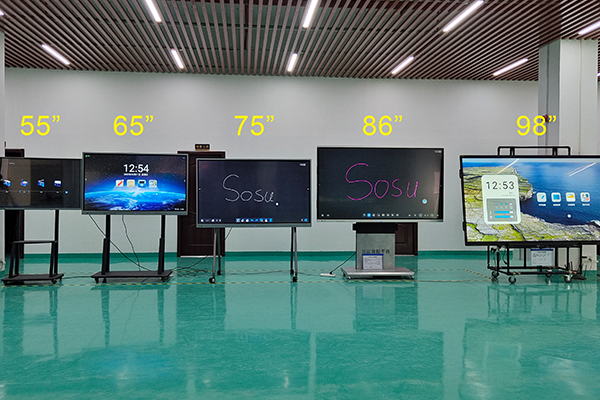
The core advantage of the all-in-one teaching machine lies in its integration. Traditional classrooms might require separate projectors, computers, and audio systems—equipment that is often complex to connect and prone to malfunctions. The interactive panel 86-inch consolidates these functions into a single unit, simplifying the operational workflow. Teachers can simply turn on the device to quickly begin the lesson, thereby reducing setup time. For instance, during class, a teacher can instantly access courseware, videos, or images from the machine without switching between multiple devices, which boosts classroom efficiency. These machines usually support touch input, allowing teachers to write or annotate on the screen using a finger or a stylus; this mimics traditional blackboard teaching but offers greater flexibility and a modern touch. This intuitive mode of interaction helps capture students’ attention—particularly when explaining complex concepts—as dynamic demonstrations and real-time annotations make the material easier to grasp.
The IFPD panel excels in terms of interactivity. They support a wide range of educational software and applications, enabling teachers to utilize online resources, simulated experiments, or gamified learning tools tailored to the curriculum. In a science class, for example, a teacher might display a 3D model that students can rotate and zoom in on via the touchscreen to examine details; in language classes, the machine can play audio and video to help students practice listening and pronunciation. These machines also support simultaneous multi-user operation, allowing students to come to the front in groups for interactive activities, which fosters collaborative learning. Such interactivity not only enriches teaching methods but also stimulates student interest, making the class more lively and engaging. However, the effectiveness of this interactivity depends on the teacher’s usage habits and level of training; if teachers are unfamiliar with the relevant features, they may not be able to fully leverage the device’s potential.
Thirdly, from a practical standpoint, the installation and maintenance of interactive panels in classrooms are relatively straightforward. Their integrated design reduces cable clutter and lowers the risk of equipment failure. Most models utilize energy-saving technology and consume less power, potentially helping schools save on electricity costs over the long term. Regarding content updates, these all-in-one teaching units typically feature internet connectivity, allowing teachers to download the latest educational resources at any time and ensure course content remains up-to-date. However, there are potential drawbacks. For instance, the initial purchase cost is high—ranging from several thousand to over ten thousand RMB for standard models—which can be a financial burden for schools with limited budgets. Hardware malfunctions can also entail high repair costs and require professional technical support, potentially disrupting the teaching schedule.
Another common question concerns ease of use: are these interactive panel board for teaching user-friendly? Teachers unfamiliar with technology may need time to learn how to operate the new equipment. While most manufacturers provide basic training, the actual effectiveness varies by school. Teachers generally adapt quickly if the school organizes regular training and support; conversely, without proper guidance, some may find the operation complex and opt to stick with traditional teaching methods. Ultimately, the utility of these units depends largely on the accompanying support services and teacher acceptance.
In terms of content display, these units usually support high-definition visuals and multimedia playback, enhancing the visual experience. For example, teachers can show documentary clips during history lessons or display intricate details of artworks in art classes. Such multimedia capabilities help overcome the limitations of traditional teaching, making abstract concepts more concrete. However, it is important to note that over-reliance on multimedia can distract students; teachers must strike a balance in usage frequency to ensure effective instruction.
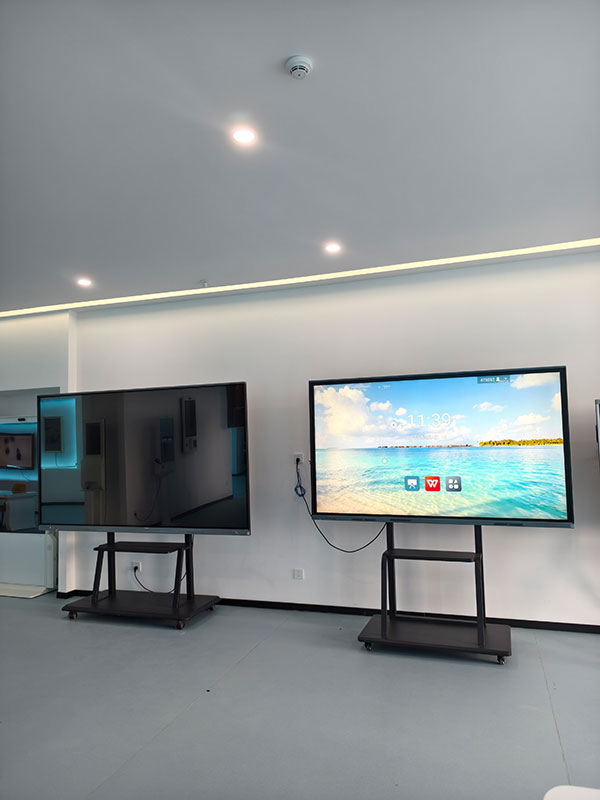
Durability and adaptability are also key factors in evaluating these units. Classroom environments involve heavy usage, so equipment must withstand daily wear and tear. High-quality units are built with robust materials capable of enduring impacts and frequent touching, though long-term use can still lead to screen scratches or input lag. Schools should consider equipment lifespan and warranty policies when making a purchase. Are these units suitable for all subjects and grade levels? While they perform well in most scenarios, their utility may be limited for courses requiring specialized equipment, such as physical education or laboratory-based science classes. Teachers can flexibly adjust how they use the devices based on specific needs.
Overall, as a modern teaching tool, the IFP interactive flat panel unit offers distinct advantages in integration, interactivity, and practicality, helping to improve teaching efficiency and the classroom experience. However, it is not without its limitations; factors such as cost, maintenance, and teacher training can affect its actual effectiveness. When introducing the system, schools should carefully consider their specific circumstances to ensure the equipment truly supports instruction. With proper use, the all-in-one teaching device can become a powerful classroom asset, helping both teachers and students better achieve their educational goals.
Post time: Aug-22-2026