
The rapid digitization of education has given rise to a new generation of classroom technology, and at the forefront of this transformation stands the flat interactive panel. Unlike traditional setups that require separate projectors, whiteboards, computers, and speakers, these integrated devices combine display, computing, and interactivity into a single, self-contained unit. As educational institutions worldwide embrace digital transformation, the edu touch interactive flat panel has become an indispensable tool in modern classrooms.
## What Is an All-in-One Teaching Machine?
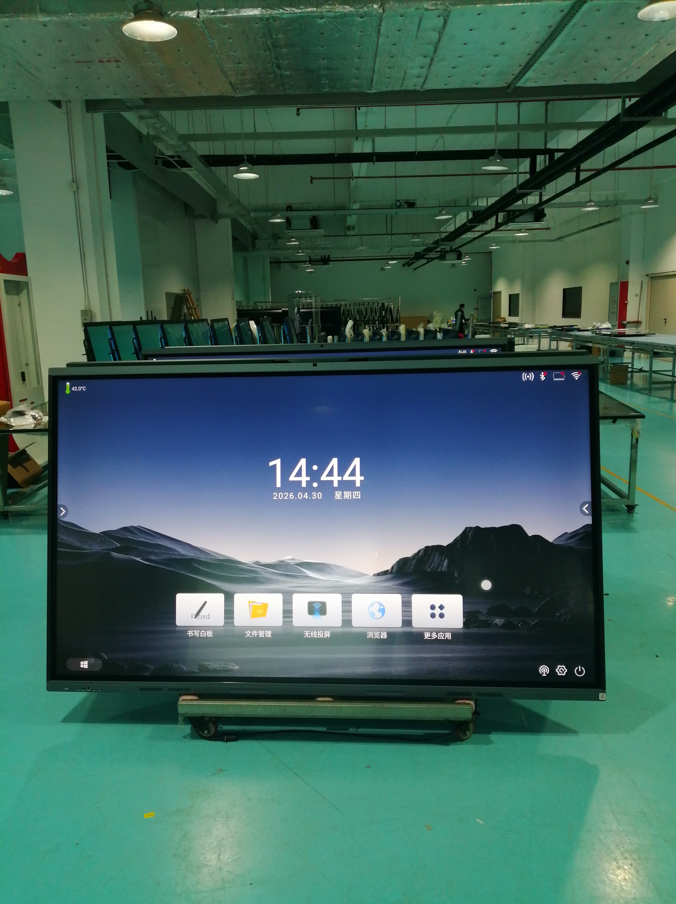
An 65 interactive flat panel is a self-contained interactive panel that typically includes a touch-enabled LED screen, a built-in operating system (Android or dual OS with Windows), teaching software for annotation and screen recording, multimedia capabilities, internet connectivity, and support for external devices. Modern all-in-one devices pack a screen, a computer, a camera, and speakers into a single unit, eliminating the complexity of managing multiple separate components. It is a plug-and-teach solution designed for contemporary classrooms, online tutoring, and hybrid learning environments.
## Key Advantages
### Superior Visual Quality
All-in-one teaching machines deliver exceptional image quality that traditional projectors simply cannot match. With 4K Ultra-HD resolution (3840 × 2160) and high brightness levels reaching up to 450 cd/m², these displays produce sharp, vivid visuals that remain clear even in brightly lit rooms. This ensures that every detail—from fine text to intricate diagrams—is rendered with crystal clarity, significantly enhancing the learning experience.
### Enhanced Performance and Efficiency
Equipped with the latest processors and hardware, all-in-one teaching machines ensure faster and smoother performance. They consume less power than traditional desktop computers, leading to significant energy savings. The streamlined design with fewer cables and peripherals makes them easier to set up and maintain. Unlike traditional setups that require juggling a TV or projector, a laptop, a separate whiteboard, and multiple wires and remotes, all-in-one boards offer instant setup with a single device.
### Interactive and Engaging Learning
Perhaps the most transformative feature is interactivity. These flat panel display for the classroom offer multi-touch functionality—often up to 20 touch points in Windows systems—enabling multiple students to collaborate simultaneously. Teachers can present multimedia content, highlight key points, record and save lessons, and engage students in group activities. The ability to run multiple software applications simultaneously during a class allows educators to share inspiring and interesting content seamlessly. Interactive displays leverage touch, movement, and multimedia elements to create dynamic lessons, replacing passive absorption with active participation.
### Simplified Operation and Maintenance
The unified interface of all-in-one machines streamlines operation, reducing equipment clutter and saving valuable time. Teachers and presenters can focus on content rather than technology. Central management features also help administrators reduce costs and maintenance efforts.
## Applications Across Educational Settings
All-in-one teaching machines are versatile enough to serve a wide range of educational environments, from kindergartens to universities. Large-format screens (98 inches and above) are ideal for lecture halls and vocational colleges; standard sizes (75 to 86 inches) suit regular classrooms in primary and secondary schools; while compact options are specifically designed for kindergartens or smaller spaces.
In standard classroom lessons, teachers use these devices to facilitate group discussions, interactive quizzes, and even virtual field trips. For online teaching studios, they enable HD lesson recording with real-time writing, voice, and screen activity—all in one step. In hybrid classrooms, teachers can simultaneously instruct students in-person and online via video conferencing platforms.
Beyond the classroom, these devices connect remote students, allowing them to access classes via live stream or view recordings at a later time, whether they are in other schools, at home, or in other remote locations. They also support video conferencing and remote learning, making education accessible beyond the physical classroom.
## The Rise of AI Integration
The application of artificial intelligence in flat panel touch screen is emerging as the biggest trend in 2025. Modern AI-enabled devices are moving beyond simple display functions to become intelligent teaching assistants. For example, some AI all-in-one machines come pre-installed with learning analytics capabilities, allowing teachers to query student performance data down to the level of “individual student × individual knowledge point” through natural language对话. These systems can automatically generate customized reports for principals, grade coordinators, and individual teachers.
Some devices feature detachable camera units that can visualize teaching materials or capture and analyze students’ exam papers and assignments using AI algorithms. Others integrate multiple AI agents covering admissions, teaching, management, employment, and services—reducing manual workload while improving efficiency.
## Future Outlook
The global market for teaching all-in-one touch machines continues to grow, with the interactive whiteboard market alone valued at US$1.4 billion in 2024 and projected to reach US$2.037 billion by 2031. As classrooms continue to integrate AI-powered learning tools, immersive digital experiences, and cloud-based collaboration, these displays are designed to evolve with future technology, making them a sound long-term investment. With hybrid learning environments, AI-driven teaching tools, and personalized learning on the rise, schools that invest in scalable, future-ready displays will be well-positioned to embrace emerging innovations.
## Conclusion
The all-in-one teaching machine represents a fundamental shift in how education is delivered. By combining superior visual quality, interactive capabilities, operational simplicity, and increasingly intelligent AI features into a single device, it addresses the fragmented nature of traditional classroom technology. Whether in a kindergarten classroom, a university lecture hall, or a hybrid learning environment, these devices empower educators to teach more effectively and engage students more deeply. As technology continues to evolve, the all-in-one teaching machine will undoubtedly remain at the heart of the modern classroom.
Post time: Jul-25-2026