
As digital transformation reshapes education worldwide, the traditional classroom setup of projectors, whiteboards, and separate computers is rapidly becoming obsolete. In its place, a new generation of interactive large interactive touch screens is emerging as the definitive solution for forward-thinking schools. These IFP interactive flat panels integrate high-definition displays, multi-touch interactivity, computing power, and classroom software into a single elegant device, offering a more efficient, engaging, and cost-effective alternative to outdated multi-device configurations.
The strongest advantage of an interactive flat panel education lies in its simplicity. In a conventional classroom, teachers must manage a projector, a desktop PC, cables, speakers, and a whiteboard — each with its own failure points and setup time. An interactive flat panel education replaces all of these with one device. Teachers walk into the classroom, press a single button, and the lesson begins. This streamlined experience saves valuable instructional minutes and dramatically reduces the need for technical support. For school IT administrators, fewer devices mean fewer maintenance headaches, lower energy consumption, and easier software updates. One machine handles everything, from lesson delivery to classroom management, making daily operations smoother for both instructors and tech teams.
Interactive capabilities are another major advantage that directly enhances student engagement. Modern interactive flat panel education support multi-touch input, allowing several students to write, draw, and annotate simultaneously on a large 4K screen. This collaborative element turns passive listening into active participation. Students can solve math problems on the board together, annotate a shared document, or engage in group brainstorming sessions without crowding around a single laptop. Teachers can use built-in whiteboard tools to save every annotation and share it digitally, ensuring no student misses an important note. The responsiveness of the touchscreen, combined with low-latency writing tools, makes the experience feel as natural as writing on a traditional whiteboard, but with far greater flexibility. Lessons become interactive, visual, and memorable.
Versatility is a further pillar of the interactive flat panel education value proposition. These devices come equipped with both Android and Windows operating systems, enabling access to a vast ecosystem of educational apps, online resources, and familiar software. Wireless screen casting allows students and teachers to share content from their own smartphones, tablets, or laptops in seconds, without tangled cables. It also supports hybrid and remote learning, as many models integrate cameras, microphones, and video conferencing tools directly into the system. This creates a seamless bridge between in-class and at-home students. Whether the classroom is in a rural village or a high-tech urban school, the same device can adapt to a wide range of teaching styles and content formats. Teachers can easily switch between freehand writing, PowerPoint presentations, web browsing, and interactive quizzes — all at the touch of a finger.
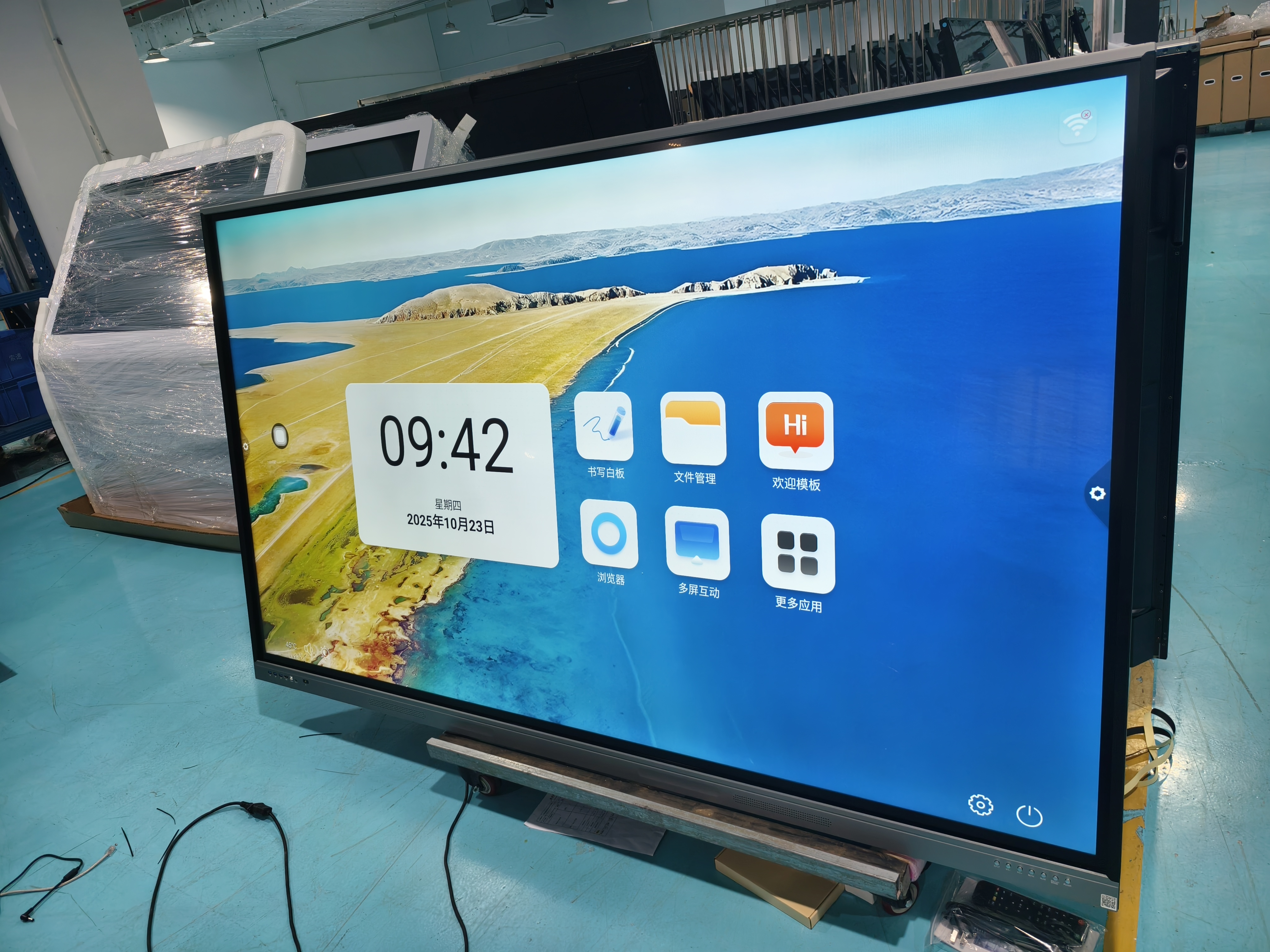
Durability and eye-care design matter most for daily classroom use. Interactive flat panel education products are engineered with industrial-grade panels that resist scratches, impacts, and dust. The screens feature anti-glare glass that reduces reflections under bright lighting, while low blue light and flicker-free technologies help minimize eye strain during prolonged lessons. These features are critical for young students, whose developing eyes require extra protection. The devices are designed for long working hours — often rated for years of continuous operation — ensuring educational institutions get a reliable return on their investment.
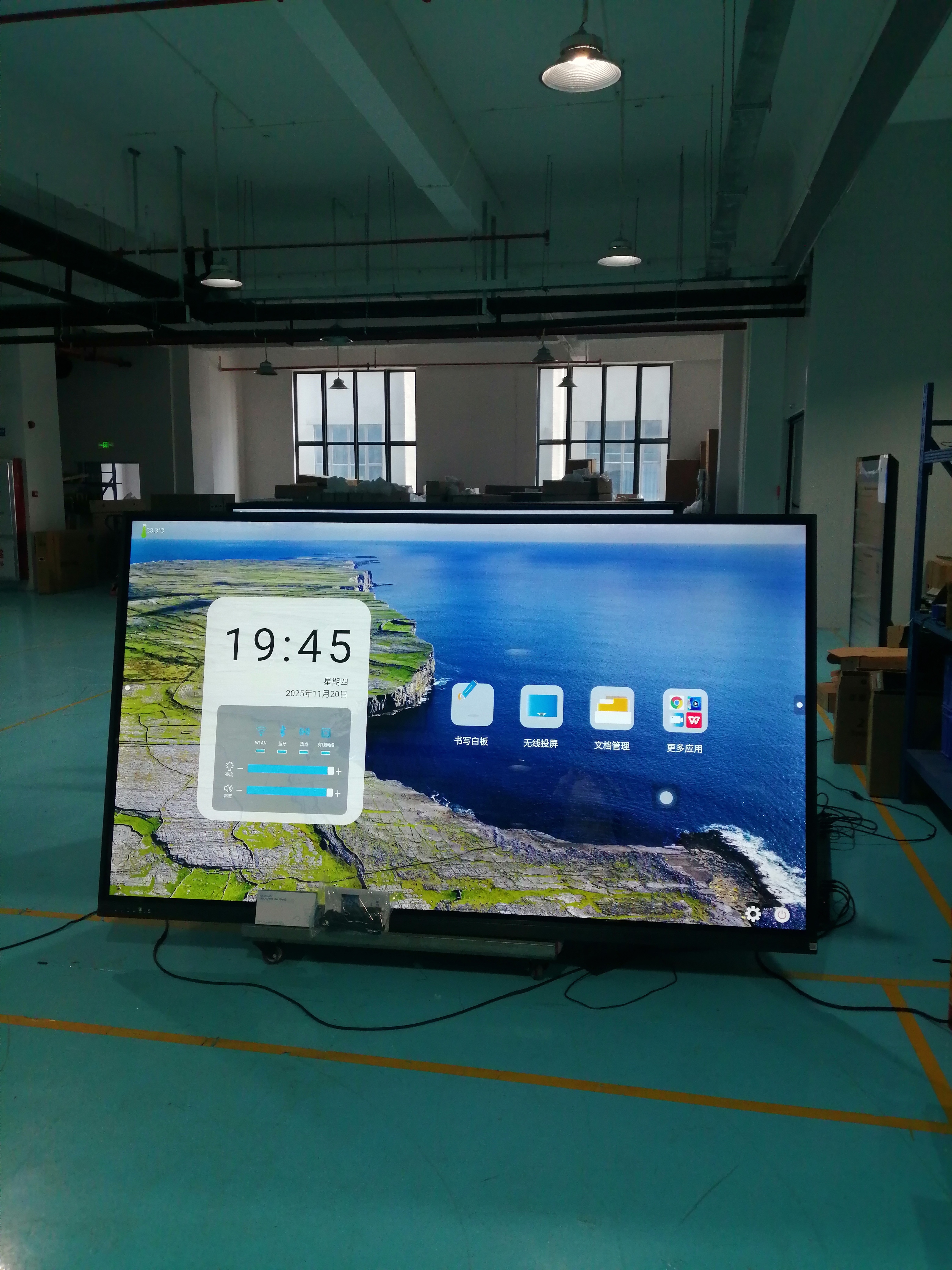
From a procurement and supply chain perspective, choosing a manufacturer with in-house production offers decisive advantages. Our factory in Foshan, one of China’s key electronics manufacturing hubs, exercises full control over the entire production process — from sourcing components to final assembly and rigorous quality testing. Every unit undergoes multiple checks: display calibration, touch responsiveness, connectivity, burn-in testing, and packaging integrity. This hands-on approach results in consistent quality across every batch, even for large-volume orders. For schools and distributors, it means fewer defective units, fewer warranty claims, and greater confidence in the brand. Our capacity for customization also allows education partners to request specific software preloads, branding, accessories, and even tailored user interfaces for their regional curriculum needs.
In a global education market where schools are under constant pressure to modernize, large interactive touch screen are not simply a convenience — they are becoming a strategic necessity. They consolidate technology, inspire interactivity, protect student health, and reduce long-term costs.
Post time: Sep-21-2026